
Choosing the Right Robotics Class: Factors to Consider for Success
Robotics is more than just a trend; it's a powerful tool for shaping the minds of future innovators. With the rise of technology in every aspect of our lives, introducing children to robotics at an early age can pave the way for a brighter future. However, with so many options available, choosing the right robotics class can be overwhelming. In this blog, we’ll explore the key factors parents should consider to ensure their children gain the most from their robotics education.
1. Understanding the Importance of Robotics for Kids
Robotics for kids is not just about building robots; it’s about developing a wide range of skills that are crucial for success in the 21st century. According to a study by the International Society for Technology in Education, children engaged in robotics and STEM activities are 30% more likely to excel in problem-solving, critical thinking, and collaboration.
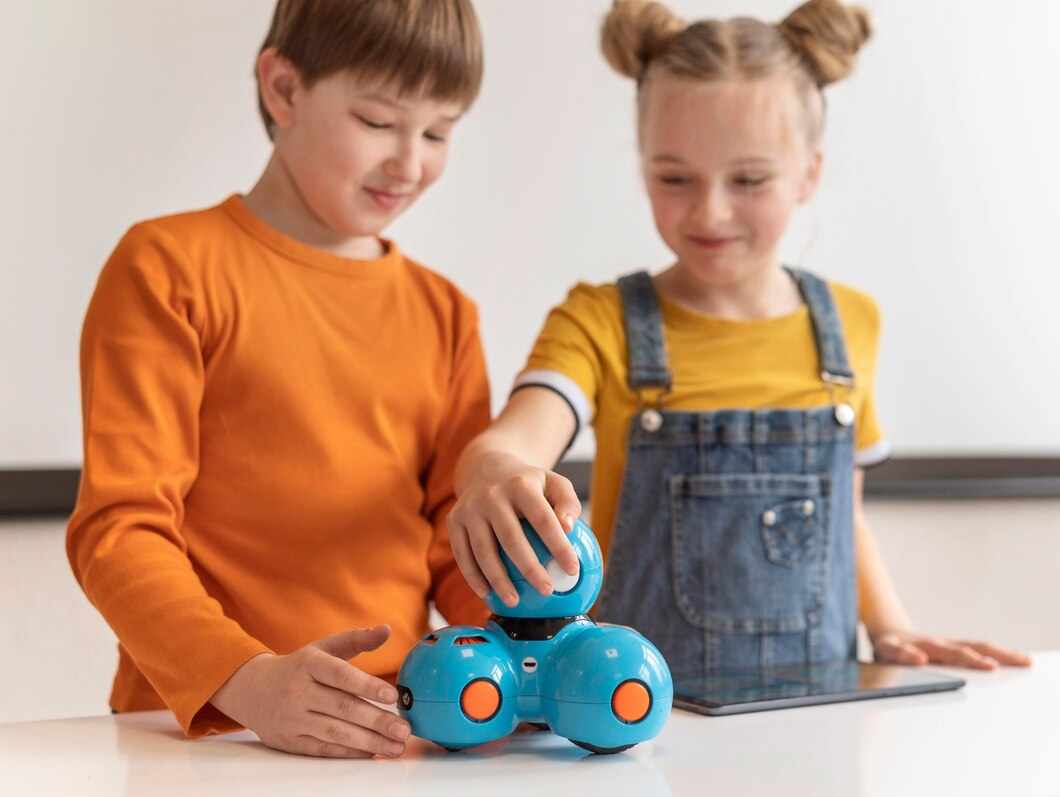
For younger children, robotics can introduce them to the basics of coding, mechanics, and electronics in a fun and engaging way. It’s an excellent way to enhance creativity while also grounding their understanding of scientific principles. The hands-on experience they gain in robotics classes can make abstract concepts more tangible, helping them better grasp complex ideas in math and science.
2. Age Appropriateness: Choosing the Right Level
One of the most critical factors in choosing robotics classes for kids is ensuring the content matches the child's age and skill level. A well-structured program should offer different levels, from beginners to advanced, to accommodate children as they progress.
For instance, younger children (ages 6-8) might benefit from introductory courses that focus on simple block-based coding and basic robot assembly. As children grow older (ages 8+), they can handle more challenging projects that involve programming languages like Scratch or Python, and more intricate robot designs. By the time they reach their teenage years, students might be ready for advanced robotics courses that delve into artificial intelligence, automation, and competitive robotics. Choosing a class that aligns with your child's current abilities while also offering room for growth is essential for sustained interest and success.
3. Curriculum Quality: What’s Being Taught?
The curriculum is the backbone of any educational program, and robotics classes are no exception. When evaluating a robotics class, it's important to look at the curriculum to ensure it’s comprehensive and up-to-date with current technological trends.
A good robotics curriculum should cover a range of topics, including basic electronics, programming, mechanical design, and problem-solving strategies. It should also provide opportunities for students to work on projects that encourage innovation and creativity. According to a report by the World Economic Forum, 65% of children entering primary school today will work in jobs that do not yet exist, many of which will be in the tech and robotics sectors. Thus, the curriculum should prepare students for the future, teaching them how to think critically and adapt to new technologies.
4. Instructor Expertise: The Role of the Teacher
The expertise and experience of the instructor can significantly impact the quality of a robotics class. Look for classes led by instructors who have a strong background in robotics and a passion for teaching children. Ideally, the instructors should have relevant qualifications in engineering, computer science, or a related field, as well as practical experience in robotics.
Instructors should also be skilled in working with children, as teaching robotics to kids requires patience, creativity, and the ability to explain complex concepts in a way that is easy to understand. A great instructor can inspire students, making the learning process enjoyable and stimulating.
5. Class Size and Environment: Maximizing Learning Opportunities
Class size is another crucial factor to consider when choosing robotics classes for kids. Smaller class sizes often provide a more personalized learning experience, allowing instructors to give more individual attention to each student. This can be particularly important in robotics, where students may need extra help troubleshooting or refining their projects.
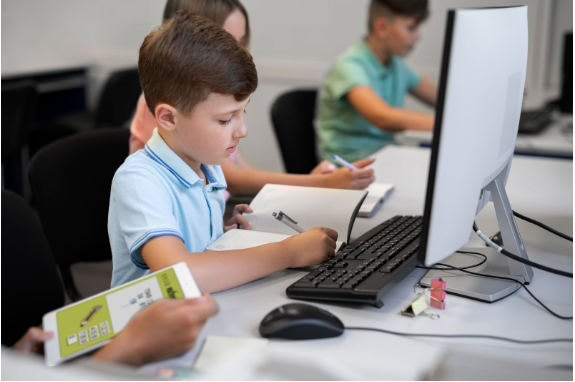
The learning environment should also be conducive to creativity and collaboration. A well-equipped classroom with the necessary tools, materials, and technology is essential for effective robotics education. Additionally, the environment should encourage teamwork, as collaboration is a key component of most robotics projects.
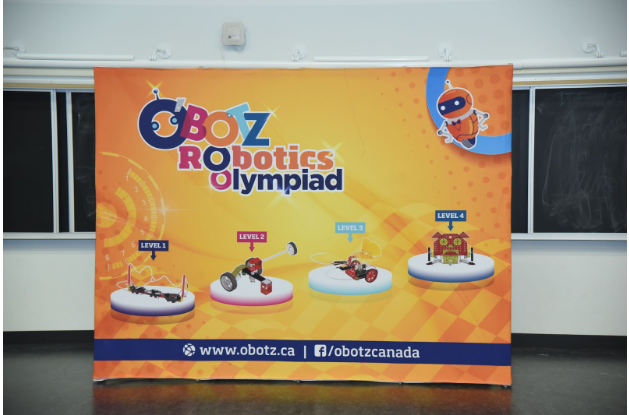
It's beneficial to choose a program that offers opportunities for students to showcase their work, such as through competitions or exhibitions. This not only motivates students to put their best effort into their projects but also provides them with valuable experience in presenting and defending their work.

6. Cost and Accessibility: Finding the Right Balance
While robotics classes can be a valuable investment in your child's education, it's important to consider the cost and ensure it fits within your budget. Some robotics programs can be expensive, especially those that offer advanced courses or access to specialized equipment.
However, many programs offer scholarships or financial aid for families who need assistance. Additionally, some schools and community centers provide free or low-cost robotics classes as part of their extracurricular activities. It's worth exploring all available options to find a program that offers high-quality education at a price you can afford.
At OBotz Canada, we understand the importance of providing high-quality robotics education tailored to the needs of each child. Our robotics classes for kids are designed to be engaging, educational, and fun, helping children develop the skills they need for future success. We offer a range of classes for different age groups and skill levels, ensuring that every child can find a class that fits their needs.
Our instructors are experts in the field of robotics and are passionate about teaching. They work closely with students to guide them through the learning process, making complex concepts easy to understand and apply. Our curriculum is constantly updated to reflect the latest advancements in technology, preparing students for the future. Sign up for a free trial class today and experience firsthand how our robotics classes can ignite your child's passion for learning and innovation!
If you're ready to give your child a head start in the world of robotics, we invite you to explore our classes and see what OBotz can offer. Visit our website or contact us today to learn more and sign up for a class that will inspire your child to become the next great innovator. Join OBotz, where the future of robotics begins today.



Write a comment ...