
Introduction: The Robotics Wave in Education
The year 2025 is set to be a turning point for robotics and coding education. With schools, parents, and communities increasingly focusing on equipping children with 21st-century skills, robotics franchises are uniquely positioned to lead this change. Yet, success in this evolving industry depends on understanding and leveraging the right trends.
For franchise owners, particularly in the education sector, recognizing how these trends impact daily operations, curriculum, and scalability is crucial. Companies like OBotz are already paving the way by offering structured robotics and coding programs that prepare young learners for tomorrow’s world. As we step into 2025, let’s examine the most impactful tech trends shaping robotics franchises.
1. AI-Powered Learning Tools
Artificial Intelligence is no longer confined to research labs—it’s entering classrooms worldwide. For robotics franchise owners, AI-powered learning platforms enhance personalization and engagement.
By 2025, AI in education is projected to reach $20 billion globally.
Personalized learning tools have been shown to increase student performance by 30%.
Franchise owners face the tradeoff of balancing AI adoption with costs and teacher training. However, integrating AI creates unique value for learners, especially in programs like coding & robotics classes for kids in Oshawa North where local demand for future-ready education is growing.
2. Rise of Hybrid and Online Learning Models
Parents now expect flexibility. Hybrid and online learning models are becoming mainstream, allowing students to learn coding and robotics from anywhere.
Reports indicate that 70% of parents prefer hybrid models for extracurricular education.
Online STEM programs are expected to grow by 25% annually through 2025.
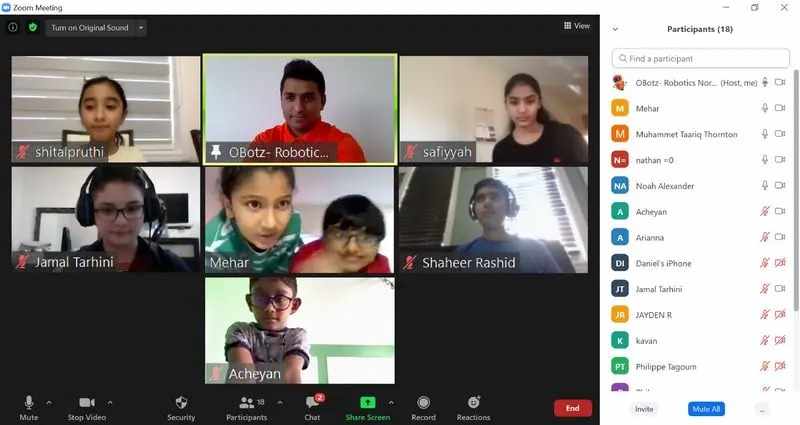
For example, Online coding & robotics classes for kids in Surrey meet this demand, ensuring accessibility while lowering operational costs for franchise owners. The challenge lies in balancing screen time with hands-on robotics activities.
3. Gamification for Engagement
Gamification is transforming how students interact with learning content. Robotics franchises adopting game-based progress systems see higher retention rates and improved focus.
Gamified learning boosts engagement by 60% compared to traditional methods.
Over 80% of students say gamification makes learning more enjoyable.
For coding & robotics classes for kids in London, gamified lessons not only keep students motivated but also encourage them to solve real-world problems through play-based learning. The tradeoff involves investing in quality gamification tools without overwhelming the curriculum.
4. STEM Education Franchise Expansion
With the growing emphasis on STEM, STEM Education Franchises are becoming highly attractive investments. Robotics, coding, and AI integration make these franchises future-proof.
The global STEM education market is expected to surpass $600 billion by 2027.
STEM-focused franchises report 15–20% higher growth rates compared to non-STEM models.
OBotz is a great example of how robotics franchises align with this trend, offering structured pathways for kids while providing strong ROI for franchise owners. The challenge is ensuring scalability while maintaining quality across multiple locations.

5. Robotics Kits with IoT Capabilities
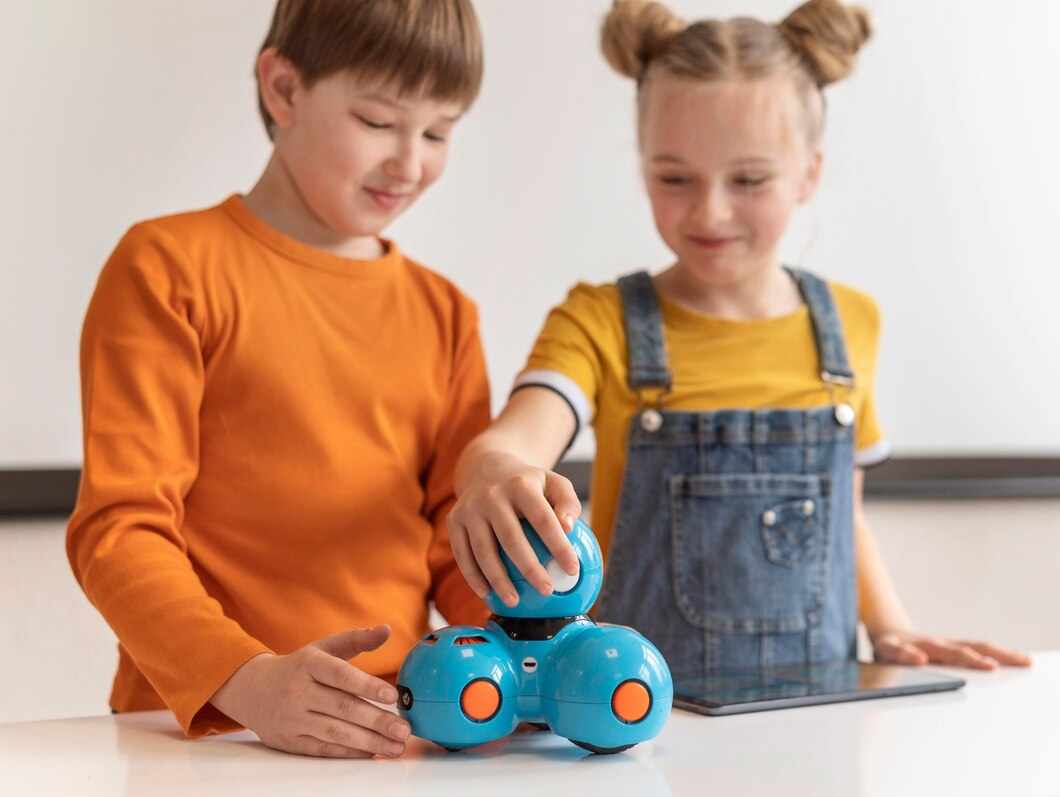
Internet of Things (IoT) integration is the next big step in robotics kits. IoT-enabled kits allow children to explore connected devices, smart homes, and real-time data applications.
IoT in education is growing at 16% CAGR globally.
Robotics kits with IoT improve problem-solving skills by 40%.
For franchise owners, the tradeoff is upfront investment in advanced kits versus the long-term appeal of offering cutting-edge programs. Parents in cities like Oshawa North and London increasingly prefer franchises offering such advanced options.
6. Focus on Industry-Ready Skills
Parents and educators want programs that do more than entertain—they want students to gain career-relevant skills. Robotics franchises must adapt curricula that emphasize coding, AI, and critical thinking.
65% of today’s students will work in jobs that do not yet exist.
STEM skills increase employability by 25–30% in high-growth industries.
Programs like coding & robotics classes for kids in Oshawa North bridge this gap by preparing students for future-ready roles, while online classes expand reach beyond geographic limitations. The challenge is balancing fun activities with real skill-building.
7. Sustainability and Green Robotics
Sustainability is not just a buzzword—it’s shaping education. Robotics franchises are adopting eco-friendly kits and teaching children how technology can address climate change.
58% of parents say they prefer programs with sustainability elements.
Green robotics activities improve student awareness of environmental issues by 45%.
Franchises adopting this trend align themselves with global sustainability goals, making them more attractive to conscious parents. The tradeoff lies in sourcing eco-friendly materials while keeping costs manageable.
8. Data-Driven Insights for Progress Tracking
Parents want visibility into their child’s learning progress. Data-driven platforms now provide analytics on engagement, learning outcomes, and strengths.
Learning platforms with analytics improve parental satisfaction by 35%.
Progress-tracking tools boost student performance by 20%.
For Online coding & robotics classes for kids in Surrey, real-time reports help maintain accountability and trust. Franchise owners must weigh the benefits of transparency with the costs of implementing advanced analytics systems.
9. Global Collaboration Opportunities
In 2025, robotics education will become more globalized. Virtual competitions, cross-country coding camps, and online hackathons will expose students to international collaboration.
Global robotics competitions are growing by 18% annually.
Students participating in international events show 25% higher problem-solving abilities.
This trend allows franchises like OBotz to expand beyond their immediate geography, connecting kids in Oshawa North, London, and Surrey to global opportunities. The challenge lies in coordinating time zones and ensuring inclusivity.

Conclusion: Staying Ahead in 2025
For robotics franchise owners, 2025 presents a landscape rich with opportunities and challenges. From AI integration to hybrid learning models and sustainability, the choices made today will shape long-term success. The key is to strike a balance between cutting-edge technology, affordability, and accessibility.
OBotz demonstrates how staying ahead of trends ensures both educational impact and franchise growth. By offering programs such as coding & robotics classes for kids in Oshawa North, coding & robotics classes for kids in London, and Online coding & robotics classes for kids in Surrey, OBotz positions itself as a leader in the STEM Education Franchise space.
For franchise owners, the message is clear: embrace innovation, stay adaptable, and always align with the needs of parents and students.





Write a comment ...