In today’s fast-changing world, preparing children for the future goes far beyond traditional learning. STEM—Science, Technology, Engineering, and Mathematics—has become the foundation of modern education. These skills not only help children succeed academically but also shape how they think, solve problems, and adapt to new challenges. Programs like OBotz, which focus on hands-on learning through coding and robotics, are helping children build these essential skills early on.
Before children enter middle school, it’s important they develop a strong base in key STEM areas. Early exposure through fun and engaging STEM Activities ensures they learn without pressure while building curiosity and confidence. Let’s explore the most important STEM skills every child should master before stepping into the next stage of their education.
1. Critical Thinking and Problem-Solving
Critical thinking is one of the most important skills a child can develop. It teaches them how to analyze situations, ask the right questions, and find logical solutions. Instead of memorizing answers, children learn how to approach problems step by step. This skill becomes especially useful in both academics and real-life situations.
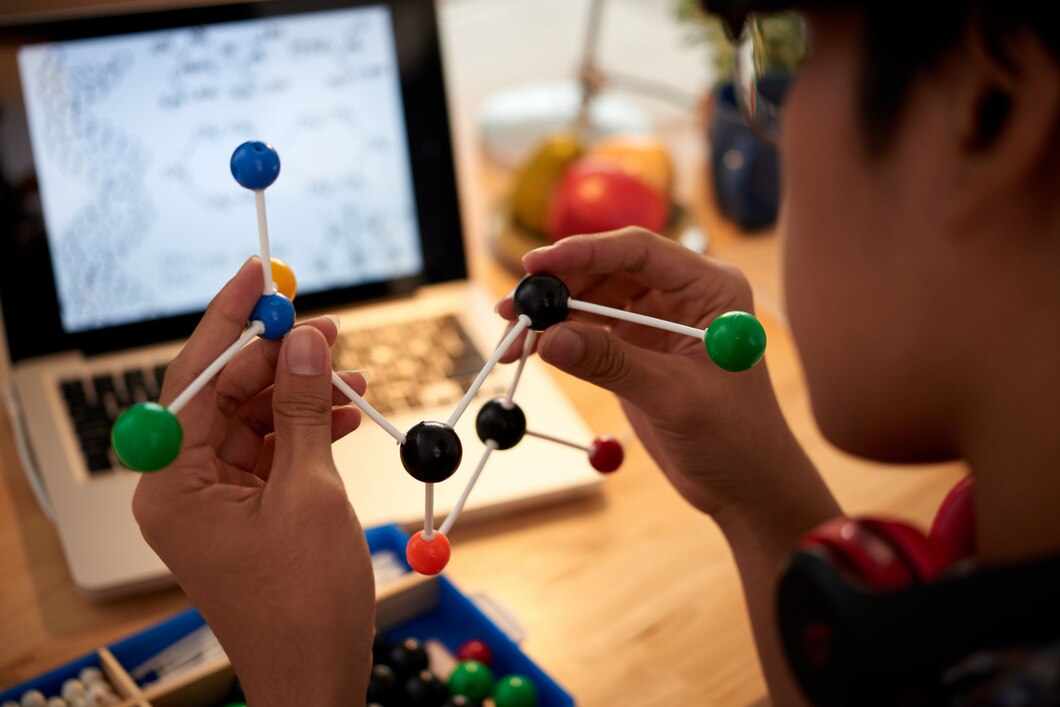
Through engaging STEM Activities, children get opportunities to experiment and explore. Whether it’s solving a puzzle, building a simple structure, or figuring out why something works, they begin to think independently. These activities encourage them to make mistakes and learn from them, which is a crucial part of the learning process.
As children grow, strong problem-solving skills help them tackle more complex challenges. From math equations to real-world scenarios, they become more confident in their ability to find solutions. This confidence sets a strong foundation for future learning, especially in advanced STEM subjects.
2. Basic Coding and Computational Thinking
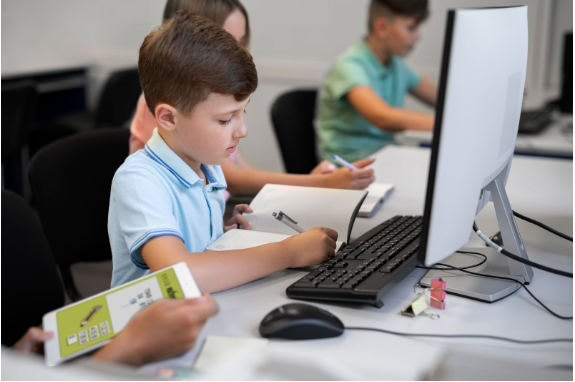
Coding is no longer just for adults or professionals—it’s becoming a fundamental skill for children. Learning the basics of programming helps kids understand how technology works and builds logical thinking. Through coding classes for kids, they can start with simple concepts like sequences, loops, and commands.
Computational thinking goes hand in hand with coding. It teaches children how to break down complex problems into smaller, manageable steps. This approach is useful not just in programming but in everyday tasks as well. Kids learn to think in a structured and organized way.
The best part is that coding can be fun and creative. Children can design games, animations, and simple apps, making learning interactive and exciting. Early exposure to coding builds confidence and prepares them for a technology-driven future.
3. Creativity and Innovation
STEM is not just about numbers and logic—it’s also about creativity. Innovation comes from thinking differently and exploring new ideas. Children who engage in creative STEM Activities learn how to combine imagination with practical skills.
Activities like building models, designing projects, or experimenting with different materials encourage children to think outside the box. They learn that there can be multiple solutions to a single problem, which boosts their creativity and flexibility in thinking.
Encouraging innovation at an early age helps children become future problem-solvers and inventors. Whether they pursue careers in science, technology, or any other field, creativity will always play a key role in their success.
4. Hands-On Engineering Skills
Engineering skills help children understand how things are built and how they work. Through hands-on learning, kids can explore concepts like design, construction, and functionality. This is where robotics classes for kids play a major role.
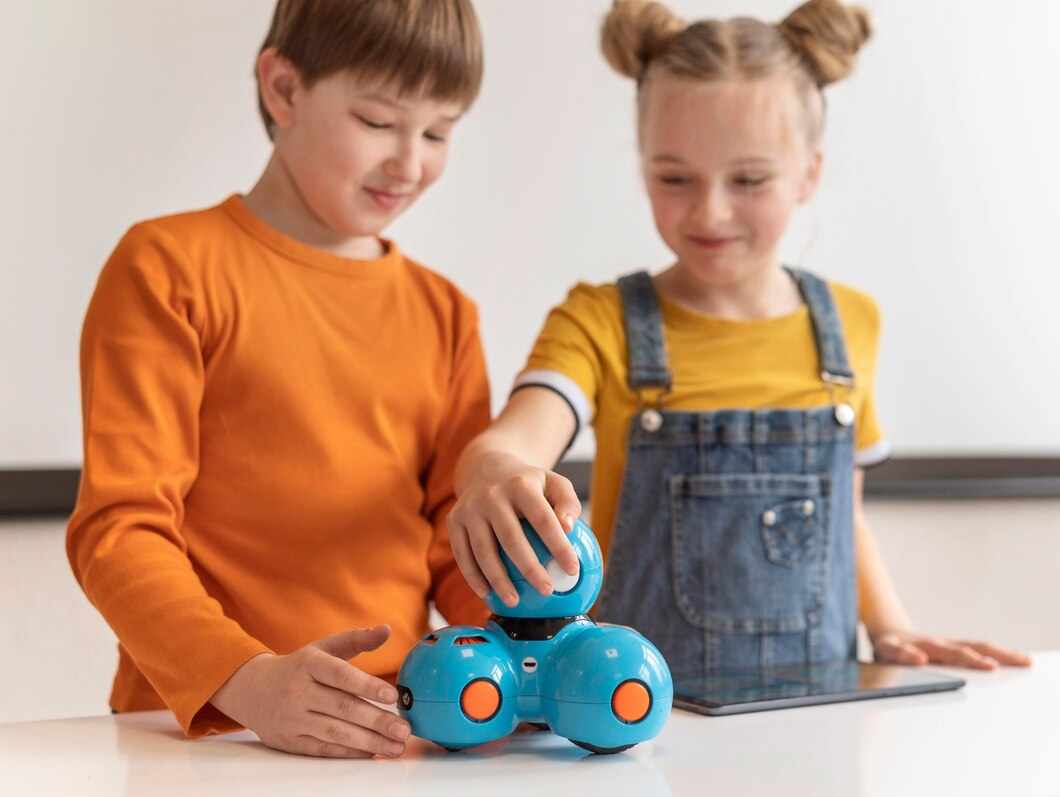
In robotics classes, children get to build and program their own robots. This not only teaches them engineering basics but also improves their understanding of mechanics and technology. They learn how different components work together to create a functional system.
Hands-on learning makes complex concepts easier to understand. Instead of just reading about theories, children experience them in action. This practical exposure builds strong foundational knowledge and keeps them engaged in learning.
5. Mathematical Thinking and Logic
Mathematics is at the core of STEM education. Developing strong mathematical thinking early helps children approach problems logically and systematically. It’s not just about solving equations but understanding patterns, relationships, and reasoning.
Through interactive STEM Activities, children can learn math in a fun and engaging way. Games, puzzles, and real-life applications make math less intimidating and more enjoyable. This approach helps build a positive attitude toward the subject.
Logical thinking developed through math is useful in many areas of life. It improves decision-making skills and helps children analyze situations effectively. A strong math foundation is essential for success in advanced STEM fields.
6. Collaboration and Communication
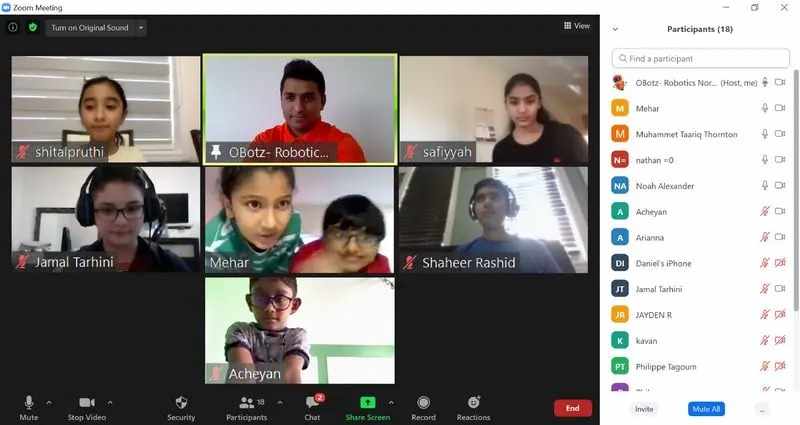
STEM learning is not just an individual journey—it often involves teamwork. Collaboration teaches children how to work with others, share ideas, and solve problems together. These skills are essential in both academic and professional environments.
Group STEM Activities encourage children to communicate their thoughts clearly. They learn how to listen to others, give feedback, and work toward a common goal. This improves both their social and communication skills.
As children participate in team-based projects like coding challenges or robotics competitions, they gain confidence in expressing their ideas. Strong communication skills combined with technical knowledge make them well-rounded individuals ready for future challenges.
Conclusion: Build a Strong STEM Foundation with OBotz
Helping your child develop these essential STEM skills before middle school can make a significant difference in their future. From critical thinking and coding to creativity and collaboration, these abilities shape how children learn and grow in a technology-driven world.
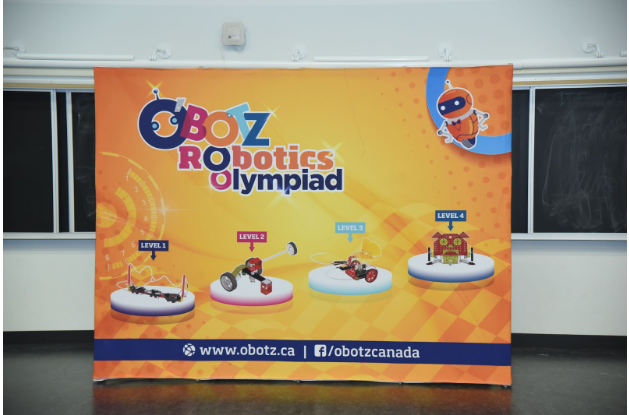
OBotz is dedicated to nurturing young minds through innovative learning programs. With a focus on hands-on education, they offer engaging coding classes for kids and robotics classes for kids that make learning both fun and meaningful. Their programs are designed to build confidence, improve problem-solving skills, and prepare children for future success.
If you want your child to stay ahead and develop skills that truly matter, now is the perfect time to start. Enroll your child in OBotz today and give them the opportunity to explore, create, and excel in the world of STEM.



Write a comment ...