1. Understanding Collaborative STEM Learning
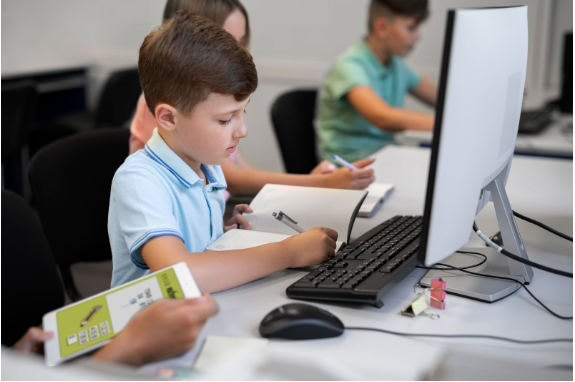
Collaborative STEM learning is about students learning science, technology, engineering, and math together rather than in isolation. Instead of working alone on worksheets or listening passively to lectures, students actively solve problems as a group. They discuss ideas, test solutions, and learn from each other’s thinking. This shared learning environment mirrors how real-world innovation happens—through teamwork, experimentation, and discussion.
When students collaborate, learning becomes more meaningful. They are not just memorizing formulas or coding steps; they are understanding why things work. This is especially important in STEM Education, where concepts often build on one another. Group discussions help students fill knowledge gaps, ask better questions, and gain clarity faster than working alone.
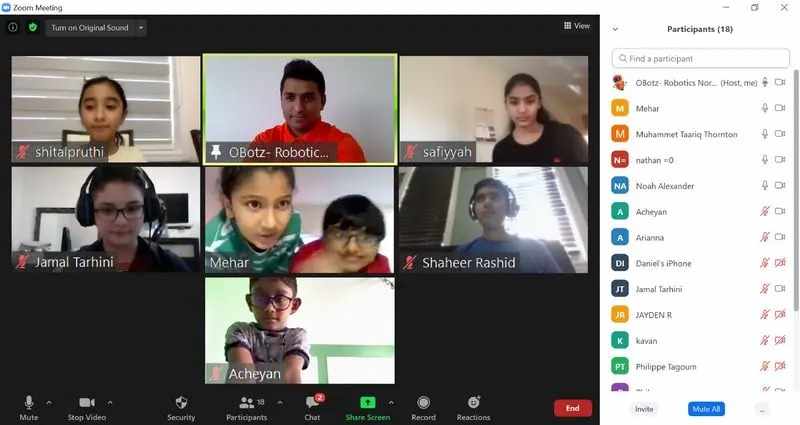
Programs like OBotz embrace this collaborative model by designing learning spaces where students work in teams to build, code, and troubleshoot together. This approach helps children see learning as a social and creative process rather than a stressful or competitive one.
2. How Collaboration Builds Strong Problem-Solving Skills
Problem-solving is at the heart of STEM. When students work together on challenges, they are exposed to multiple ways of thinking. One student might approach a problem logically, while another might think visually or creatively. This exchange of ideas strengthens critical thinking and helps students learn that there is often more than one correct solution.
Collaborative environments also teach students how to break down complex problems into smaller, manageable steps. In robotics and coding projects, for example, students must identify the problem, test possible solutions, analyze errors, and improve their design. Working as a team makes this process smoother and more effective.
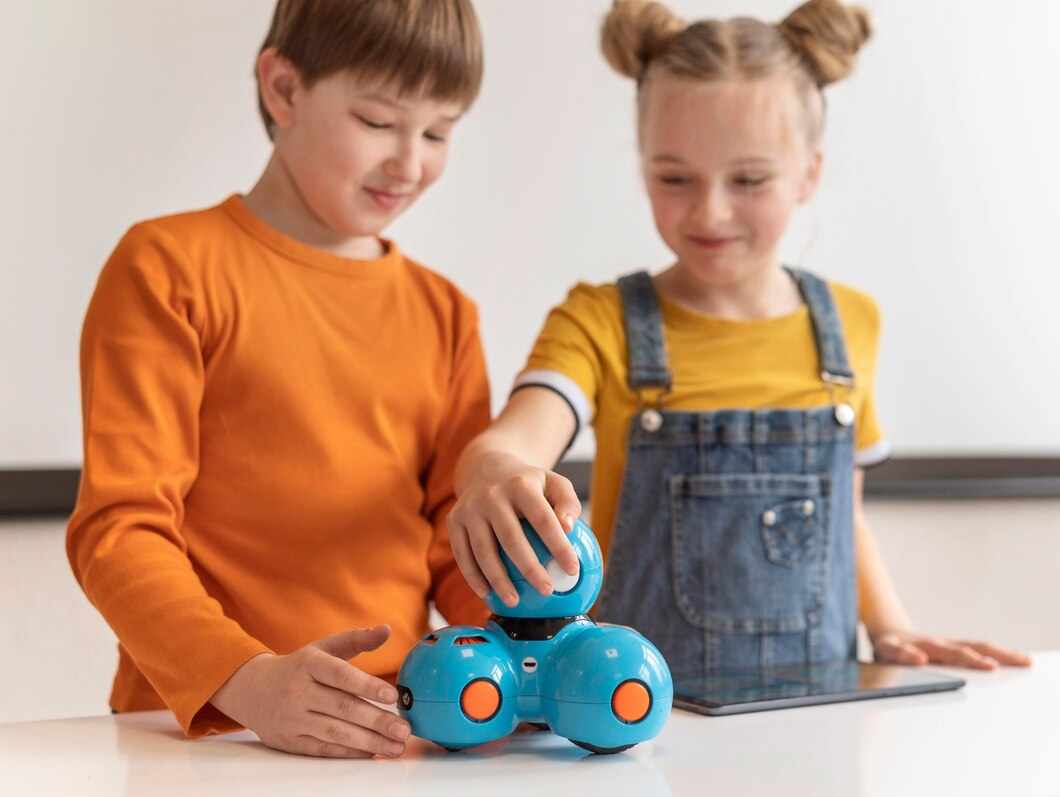
This is where STEM helps in robotics most clearly. Robotics projects naturally encourage teamwork—some students focus on building, others on coding, and others on testing. Together, they develop a complete solution, gaining confidence and resilience along the way.
3. Improved Communication and Social Skills Through STEM
Strong communication skills are essential for student success, both in academics and in life. Collaborative STEM learning encourages students to explain their ideas clearly, listen to feedback, and adjust their thinking. These interactions help students become better communicators and more respectful listeners.
In group STEM activities, students learn how to disagree constructively and support their opinions with logic and evidence. This builds emotional intelligence and teaches them how to work effectively with peers from different backgrounds and skill levels. These are skills that traditional classroom settings often struggle to develop.
At OBotz, collaborative learning is structured to ensure every child has a voice. Students are encouraged to present ideas, ask questions, and reflect on outcomes. Over time, this builds confidence and prepares students for leadership roles in future academic and professional environments.

4. Why Collaboration Boosts Engagement and Motivation
One of the biggest challenges in education is keeping students engaged. Collaborative STEM environments solve this by making learning active and exciting. When students work together on hands-on projects, they feel more involved and invested in the outcome.
Group-based learning also reduces fear of failure. Students understand that mistakes are part of the process and that they can rely on their teammates for support. This creates a positive learning atmosphere where curiosity is encouraged and experimentation is celebrated.
Parents searching for Robotics & Coding classes near me often notice that collaborative programs keep children more motivated than traditional classes. Students look forward to sessions because they are building real projects, working with friends, and seeing tangible results of their efforts.
5. Preparing Students for Real-World STEM Careers
The modern workforce values collaboration as much as technical knowledge. Engineers, programmers, and scientists rarely work alone—they collaborate in teams, brainstorm solutions, and refine ideas together. Collaborative STEM learning prepares students for these realities early on.
By working in teams, students learn project management skills such as planning, time management, and accountability. They understand how individual roles contribute to a larger goal. These experiences give them a strong foundation for future careers in technology, engineering, and innovation.
Through hands-on programs, STEM Education becomes more than an academic subject—it becomes career preparation. Students who experience collaborative STEM learning are better equipped to adapt, innovate, and succeed in fast-changing industries.
6. The Role of Robotics and Coding in Collaborative Learning
Robotics and coding are powerful tools for collaborative STEM learning because they combine logic, creativity, and teamwork. Students must work together to design robots, write code, and debug errors. Each step requires communication, patience, and shared problem-solving.
This is why STEM helps in robotics development so effectively. Robotics projects make abstract concepts tangible and allow students to see the real-world impact of their learning. When a robot finally works, the sense of achievement is shared by the entire team.
At OBotz, robotics and coding programs are intentionally designed to be collaborative. Students learn not only technical skills but also how to support teammates, adapt to challenges, and think like innovators.

7. Long-Term Academic Benefits of Collaborative STEM
Research and classroom experience show that students in collaborative STEM environments often perform better academically. They retain information longer, understand concepts more deeply, and develop a genuine interest in learning. This leads to improved performance not just in STEM subjects, but across the curriculum.
Collaborative learning also supports different learning styles. Visual learners, logical thinkers, and hands-on learners all find ways to contribute and succeed. This inclusivity helps reduce learning anxiety and builds a strong sense of belonging.
For parents evaluating Robotics & Coding classes near me, collaborative programs offer long-term value. They don’t just teach skills for today—they build habits of learning that last a lifetime.
Conclusion: Why OBotz Is Leading Collaborative STEM Learning
At OBotz, collaborative STEM learning is at the core of everything we do. We specialize in Robotics and Coding programs designed to help children think critically, work collaboratively, and build real-world skills. Our hands-on approach ensures that students don’t just learn concepts—they apply them in meaningful ways.
OBotz offers structured, age-appropriate programs that combine STEM Education with creativity, teamwork, and innovation. Our instructors guide students through collaborative projects that boost confidence, problem-solving ability, and academic performance. Whether a child is new to STEM or looking to advance their skills, OBotz provides the right environment to grow.
If you’re searching for Robotics & Coding classes near me that truly focus on student outcomes, OBotz is here to help. Enroll your child today and give them the advantage of collaborative STEM learning that prepares them for success in school and beyond.



Write a comment ...